
What a helpful chatbot should know
Prepare clear answers, useful boundaries and a path to a person before you put a chatbot in front of customers.
 BIXBD Team, 3 min read
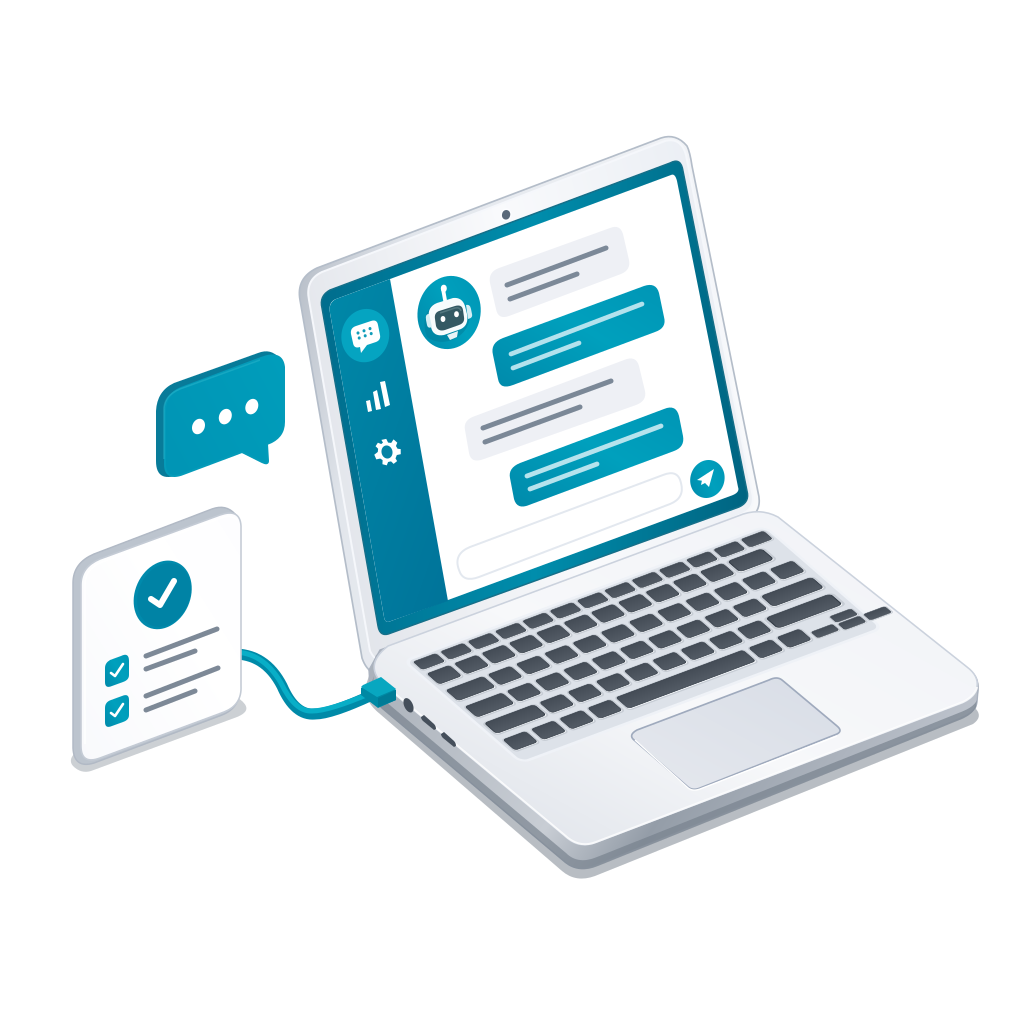
Give the chatbot approved answers to common questions, clear limits on what it may say, and an easy way to hand the customer to a person.
01 / Start with the questions customers already ask.
Look through recent messages and list the questions that repeat. Opening hours, prices, delivery, returns and order status usually cover a large share of them. These are the answers the chatbot needs first.
Write each answer the way your best team member would give it, and have the business owner approve it. The chatbot should draw on this approved information and not guess at details such as prices or stock.
02 / Set boundaries for what it should not answer.
Decide which topics always go to a person. Complaints, refunds, medical or legal questions and anything involving payment problems are common examples. A chatbot that says it will pass the question on is more useful than one that gives a confident wrong answer.
Tell customers they are talking to an automated assistant, and collect only the personal details the task needs. Review what the chatbot stores and who can see those conversations.
03 / Build the path to a person.
Make the handover obvious. Offer it when the customer asks for it, when the chatbot does not know the answer, and when the same question is asked twice. Pass the conversation along so the customer does not have to repeat themselves.
Read a sample of conversations each week. Note the questions it could not answer and add approved answers for the common ones. Keep its information current when your prices, hours or policies change.
Helpful means accurate, bounded and easy to leave.
A chatbot earns trust by answering the simple things correctly and stepping aside for the rest. Start small and widen its scope as the answers prove reliable.
Explore AI & automation services